|
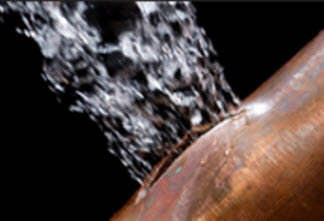
Leak detection helps us solve plumbing problems before repairs get too expensive. The leak detection experts at Brinks Services have more than 35 years of experience in the leak detection industry, finding leaks in everything from main water lines to commercial foundations to other leaking systems, like gas lines or swimming pools.
Coupled with our customized pipelining solutions, we can find whatever leak you might be experiencing in your residential or commercial property and fix it right the first time.
When it comes to providing water leak detection services, San Diego faces unique challenges in water chemistry, desert heat, and soil types. The professionals at Brinks provide the best water leak detection San Diego has to offer. Here are a few reasons to choose Brinks:
Confidence — designated as a "Preferred Vendor" and a "Quality Vendor" to the insurance industry; AAA-rated for service and price
BBB member — adhering to ethical business standards
Repair Options — spot repair, repipe/reroute, in-place epoxy coating
Innovation — our experts use state-of-the-art technologies that apply non-intrusive, non-destructive testing solutions to water leak investigations
Water line leaks can be plastic, copper, iron or steel pipes and may involve your water main, potable water line or even an irrigation line. Since most water line leaks are underground, we utilize our electronic leak detection equipment to hone in on the link, unlike in the past when the primary technique was to "dig and destroy". Once the location of the leak has been accurately determined, we can recommend the best pipe restoration solution with a minimum of excavation and pipeline replacement.
Sewer leaks can stem from breaks, blockages, improper venting, and pipe decay, especially in older systems. Leaking sewer lines can lead to sanitary concerns, landscaping catastrophes, and — in the worst case — the dissemination of hazardous gasses like highly flammable methane gas. Detecting sewer line leaks can involve visual and thermal imaging to precisely locate the location of the leak and the best pipe repair service for your situation.
Slab leaks mostly occur within the concrete foundation of homes and commercial facilities. These pressurized pipe leaks may require various leak detection methods, including thermographic, electronic, and ultrasonic inspections — all cost-effective solutions compared to jack hammer demolition.
Spa and pool leaks can lead to a wide range of problems including water loss, deck damage, excessive heating costs, overuse of chemicals, and even bacterial agents infiltrating your water system. If you're experiencing a leak in your pool or spa, don't get talked into a costly repair before our leak experts to evaluate the cause. With our range of leak detection equipment, we can often track down the root cause and avoid the property damage other methods create. Once we find a pool or spa leak, repair of the leak is a rather straight forward process.
Is your leaking system not on the above list? Call us today at 619-283-9647 and ask us about cost-effective alternatives for your situation.